Quantum precision, field deployable
DeteQt was founded in Sydney in 2023 to bridge the gap between laboratory NV-center physics and instruments that work in the field. We believe quantum sensing belongs outside the cleanroom.
Physics that was locked in university labs now belongs in mining sites and clinics
The fundamental physics of NV-center magnetic sensing has been understood for over a decade. What has been missing is the engineering: chip-scale integration, field-ruggedised optics, real-time signal deconvolution, and calibration methods that survive variable temperature and EMI environments. That is the problem DeteQt is solving.
We are bootstrapped and focused on reaching measurement milestones that justify the technology on its own terms, before pursuing external capital. The evaluation kit program is how we establish field evidence.
DeteQt Pty Ltd incorporated in Sydney. Initial team of three from research backgrounds in quantum optics and signal processing.
First complete sensor module with integrated optics, microwave drive, and on-board readout electronics. Validated at 50 pT noise floor in controlled lab conditions.
Deployed Gen-1 system in a hard-rock mine site in Western Australia. Confirmed field operability and identified temperature calibration requirements for Gen-2.
Gen-2 sensor achieves <10 pT noise floor with in-situ temperature calibration. Evaluation kit program launched with three pilot partners in mining and one in medical research.
The people building DeteQt
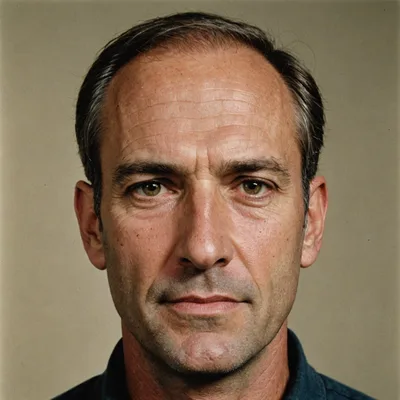
James has spent years building NV-center magnetometry systems and testing their behaviour outside controlled laboratory conditions. His work before DeteQt focused on understanding where the physics was ready to leave the research setting and what engineering gaps still stood between a lab instrument and a field-deployable sensor. He leads hardware product direction and evaluation partner relationships at DeteQt.
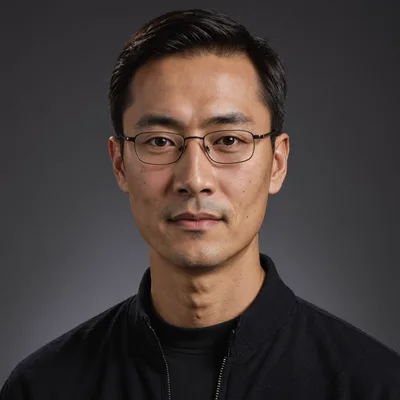
Chen leads chip design and fabrication. He trained in diamond photonics and semiconductor process engineering at a nanofabrication research centre, and has published extensively on NV-center implantation yield and post-anneal characterisation.

Priya designed the AI deconvolution stack that separates overlapping ODMR resonance lines from multi-orientation NV ensembles. She came to DeteQt from a computational signal processing role in an instrumentation company, where she worked on noise floor optimisation in precision sensors.
Scientific and industry advisors
Diamond photonics research group leader at an Australian research university. Advises on NV-center physics, substrate optimisation, and academic collaboration structure.
Former chief geophysicist at a major hard-rock mining OEM. Advises on field deployment requirements, pilot program structure, and exploration industry commercial pathways.
How we operate
We publish our noise floor numbers from real field conditions, not lab-optimised demonstrations. If a measurement class is not within current reach, we say so.
Every product decision traces back to a measurement requirement. We build what the physics allows and target the applications where current sensitivity creates real value.
We do not publish application performance claims without supporting field data. The evaluation kit program exists to generate that evidence with partners, not to substitute for it.
Work with us or evaluate the technology
Whether you are interested in a field evaluation, a research collaboration, or joining the team, the right first step is a direct conversation.
Get in Touch