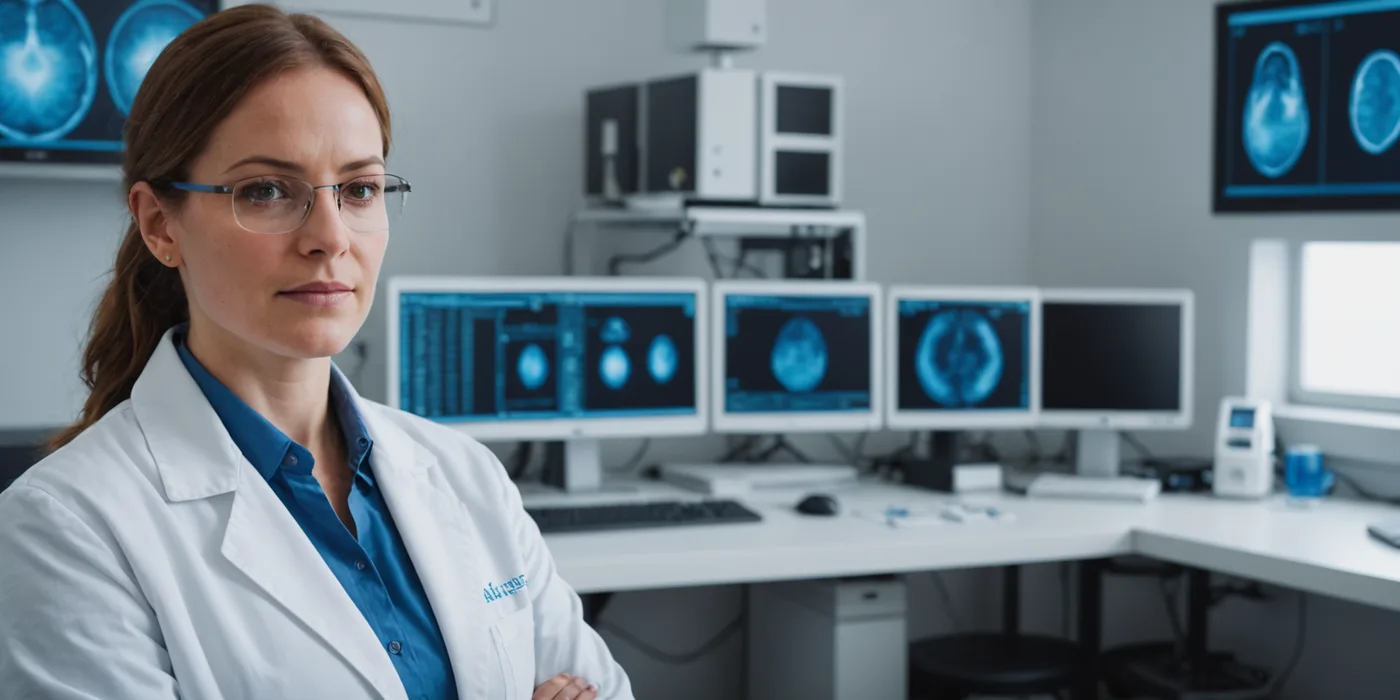
What limits magnetic brain imaging today
MEG measures femtotesla-scale magnetic fields from neuronal current. Detecting these requires sensors far below conventional instrument noise floors, and shielding that attenuates the environmental magnetic background by a factor of more than 10,000.
Infrastructure as the access barrier
SQUID-MEG systems achieve the necessary sensitivity but require helium-cooled sensor arrays and magnetically shielded rooms (MSRs) weighing 10-30 tonnes. The total installed cost is typically above $4M, and ongoing helium supply is a logistics constraint that has shut down systems permanently at several institutions.
DeteQt sensors operate at room temperature. If ambient noise can be managed through active shielding and differential measurement (avoiding the MSR entirely), the infrastructure constraint breaks. That is the measurement engineering challenge we are working through with research partners.
- Neural magnetic fields: 50-500 fT (MEG) to 50 pT (cardiac MCG)
- DeteQt noise floor: <10 pT/Hz (current), targeting 100 fT/Hz (next generation)
- Active noise cancellation using reference sensor arrays
- Chip arrays enable helmet and conformal geometries
Biomedical applications within current and target reach
Non-invasive mapping of cortical and subcortical magnetic fields from neuronal activity. Current DeteQt noise floor reaches cardiac MCG; next-generation target of 100 fT/Hz is required for full brain MEG.
Cardiac magnetic fields at 50-100 pT are within the Gen-2 noise floor. MCG provides complementary information to ECG for arrhythmia localisation and foetal cardiac monitoring without contact electrodes.
Operating at microtesla polarisation fields, ULF-MRI trades resolution for portability. The NV-center noise floor at these field strengths opens possibilities for low-cost, point-of-care neurological imaging where high-field scanners are not available.
Close-proximity NV sensing can image magnetic fields from single cells and small tissue volumes, with applications in cancer diagnostics and drug development screening that require sub-millimetre field mapping.
Working with research institutions and clinical partners
The medical sensing roadmap requires co-development with research groups who have existing MEG and MCG infrastructure and patient access. DeteQt is currently engaged with neuroscience departments at two Australian research universities and a cardiac electrophysiology group.
Collaboration structures typically involve providing sensor modules and signal processing software access in exchange for measurement data, site noise characterisation, and clinical protocol development input. We are not at a stage to discuss regulatory pathways for diagnostic use.
- Sensor module supply for research use at cost
- Joint data collection and algorithm development
- Co-authorship on publications using DeteQt equipment
- Input into next-generation chip sensitivity targets
Explore medical sensing collaboration
If your institution has existing MEG, MCG, or ULF-MRI infrastructure and wants to evaluate NV-center sensor technology alongside it, we want to hear from you.
Contact the Research Team